
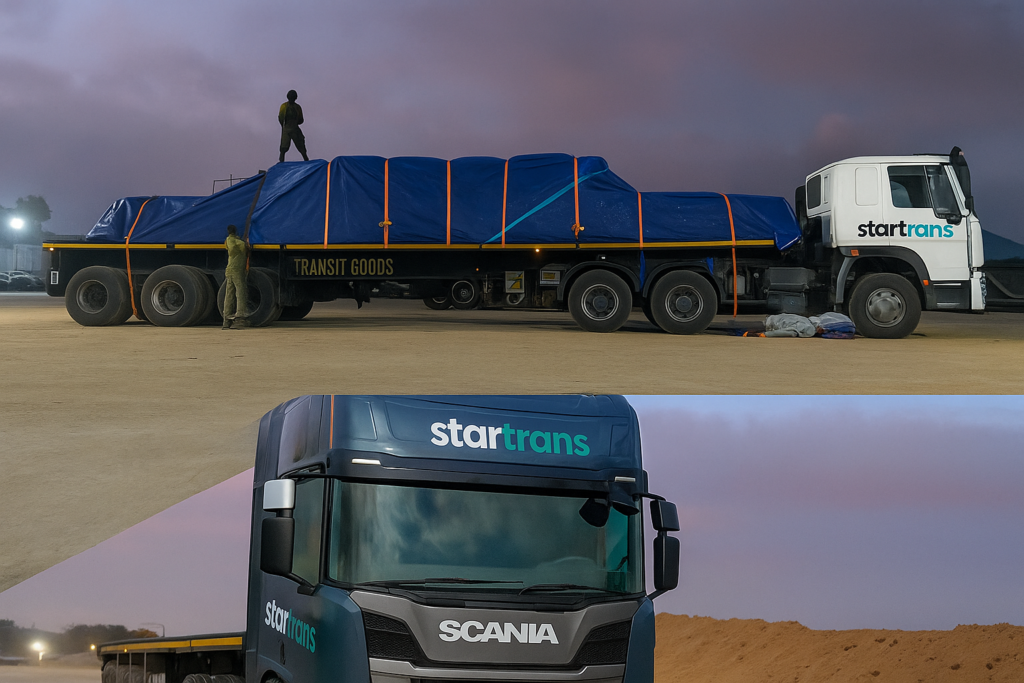
International trade continued to evolve quickly through 2025, and the direction into 2026 is even clearer. Geoeconomics tension, digitalisation and sustainability requirements are reshaping how goods and services move globally. Businesses are adjusting sourcing and distribution to reduce risk, improve reliability and respond faster to disruption.
What is shaping global trade now is supply chain fragmentation and friend shoring, where networks are being redesigned around political trust and operational resilience, not just cost. Digital supply chains are accelerating, with automation, real time tracking and end to end visibility becoming essential for efficiency and customer confidence. Sustainability is now a practical requirement, as carbon conscious procurement and environmental reporting increasingly influence supplier selection, shipping routes and product compliance. Emerging markets and South to South trade are also expanding, with more growth coming from routes beyond the traditional US and EU focus, including stronger Africa to Asia corridors.
The bottom line is simple. Businesses that adapt early by diversifying markets, investing in digital visibility, and meeting sustainability expectations will gain a lasting edge in global sourcing and distribution through 2026.